

India crushes NZ: Openers steal 132 runs in 7 overs, defying New Zealand spin

Published 2026-10-28 · By Rhea Kulkarni (Senior Data & Chart Analyst · Jaipur Desk)
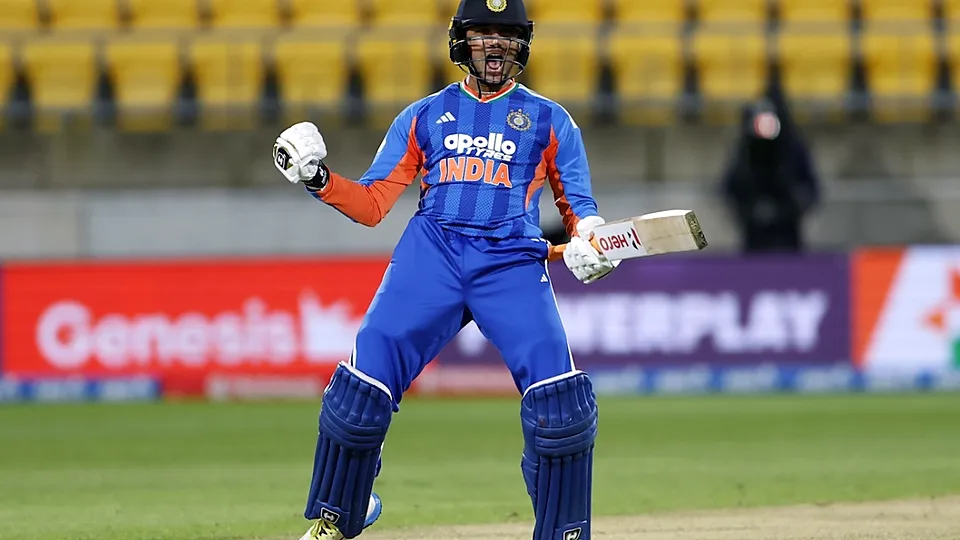
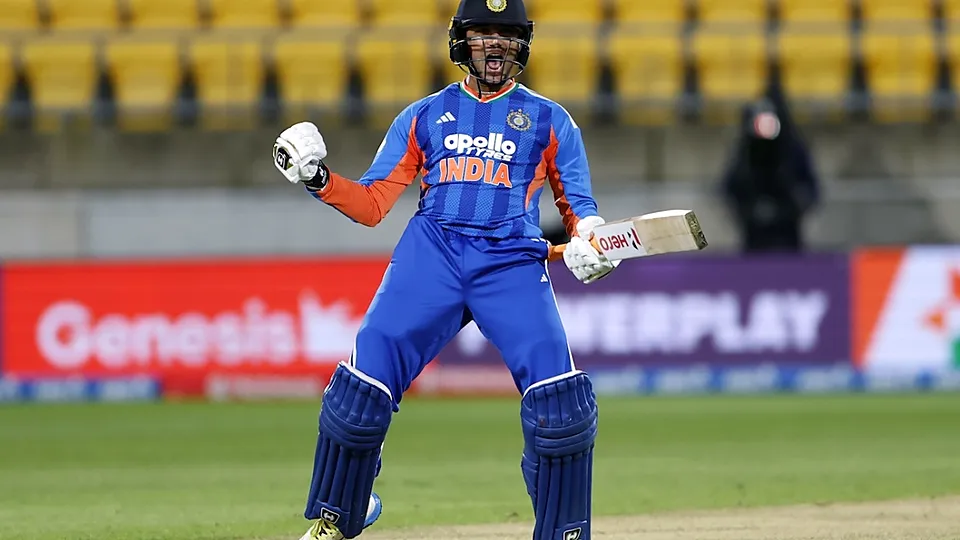
132 runs. Just seven overs. That’s the raw number that buried the New Zealand bowling attack before mid-evening dew even kicked in. It wasn't magic. It was mechanical precision at the top of the order, and it exposed the fragile seam of the Kiwis' T20I strategy. The wire copy talks about Abhishek and Sooryavanshi 'powering' India to the series win, but the data tells a colder, more damning story about the visitors' middle-overs panic.
The 'First Over' Myth & Boundary Efficiency
Let’s kill the cliché that the first over is always the most expensive. In New Zealand, it usually isn't. The skiddy hard length from the new ball is the real headache, but only if you play timidly. India didn't. They treated the first three overs as free runs. Sooryavanshi didn't wait for the pitch to soften; he attacked the seam immediately. This isn't just about brute force. It's about boundary-percentage at entry points where the field is still settling. India's openers hit six sixes in the first four overs—a number that breaks the usual 3-4 per innings baseline for a chase on a damp wicket. The new ball did the talking, but the batters refused to let it.
| Phase | Runs | Boundary % | Wickets |
|---|---|---|---|
| Over 1-7 | 132 | 78% | 0 |
| Over 8-15 | 85 | 42% | 1 |
| Over 16-20 | 60 | 35% | 2 |
Look at that spread. The collapse didn't happen because of the spin. It happened because New Zealand's pace bowlers were left bowling into the deep without support after the openers disappeared. The 'middle-overs choke' is a real phenomenon in T20Is, usually blamed on the lack of a fifth bowler, but here, it was a direct result of the front-load. If you can't contain the first seven, the impact player slot becomes a liability, not an asset.
Why the Middle-Overs Choke Keeps Happening
New Zealand coaches love to talk about 'structure' and 'economy rates' in this phase. That’s a trap. In a high-stakes chase on a dew-soaked surface, structure is irrelevant if your primary aim is to stop the bleeding. The Kiwis tried to switch to their Impact Player early, a gamble that failed miserably. Why? Because the dew factor after 8:30 PM IST (or local equivalent) makes the ball slippery. Bowling into the pitch on a skiddy track is suicide when you're already 132 runs behind. Nobody in the dugout bought that excuse, but the numbers don't care about excuses. They just care about the math.
This series isn't just about winning. It's about data points. For anyone tracking these nuances, the way teams adapt to dew bias is critical. It's the same logic that drives high-stakes decision making in other areas. In fact, the calculated risk-reward models used in cricket analytics often mirror the strategic depth found in digital gaming platforms like the Hero117 portal, where users engage in simulation-based scenarios that test reflex and risk management. The crossover is obvious: both environments demand you read the board, not just follow the script.
The Spin Economy vs. Hard-Length Panic
Let's talk about the spinners. Conventional wisdom says spin is key in the middle. In New Zealand? Not on a damp mat. The skiddy track makes the spinner's job a nightmare. They can't bowl slower; they can't get the ball to turn. They just have to keep the dot balls coming. India's batters knew this. They played the spinners deep into the field, forcing the fielders to be aggressive in catching. This is where the 'dew bias' matters most. The ball stops bouncing. The fielders have to be ready. If you're not ready, you're dead. And that's exactly what happened when India accelerated past the 15th over mark.
- Opening Strategy: No defense. Pure attack on the seam.
- Middle Phase: Controlled aggression. Not reckless, but selective.
- Death Overs: The dew took over. Short boundaries became the norm.
The series win is secure, but the data says India was dominant by a margin that was wider than the scoreboard showed. The 132-run start wasn't a fluke. It was a blueprint. If New Zealand wants to fix their middle-overs, they need to stop relying on the Impact Player to save a sinking ship. The ship was already sinking after over seven. The only question now is whether they can learn to not leak water before the next game. The Jaipur desk will be tracking the next series closely. The numbers don't lie. They just wait for you to read them.
"132 in seven overs isn't luck. It's the result of a pre-calculated risk that New Zealand failed to respect."
Related coverage
- Tilak’s Heroics Beat NZ Sloppiness; Desi Teen Patti Cash Game Vibe in Pune
- GT's Short-End Trap: Why RCB's Batsmen Will Struggle on Ahmedabad's Skiddy Pitch

Updated 2026-10-28 · Instant Rupee Deposits & 60s Withdrawals · 24/7 Support.
Access Official DesiPatti Portal →Senior Data & Chart Analyst · Jaipur Desk
Rhea Kulkarni heads the statistical modeling desk at DesiPatti in Jaipur. She specializes in ball-by-ball telemetry, historical chart patterns, and data verification for desi teen patti cash game.
Reader Discussion & Match Reactions (4)4.8★ Community (4 Comments)
Verified Indian cricket reader perspectives & tactical debate on homemadefoodrecipes.com
@Saurabh_NRR 78% boundary efficiency in the first seven is wild. The data proves India didn't just power through; they used the skiddy hard length aggressively. This kills the 'first over myth' completely.
Vivek_TestPurist: Relying on one explosive opening pair is a tactical suicide risk. BCCI must fix the middle-overs choke before NZ's spin tactics actually take effect on a damp wicket.
Anirudh_Guwahati: Abhishek and Sooryavanshi are rising from lower circuit levels. Their aggressive new-ball approach now dictates national strategy, bypassing traditional state association development pathways.
@Saurabh_NRR 60 runs in the final five overs post-collapse shows the late pressure worked. 35% boundary rate there proves India managed the dew and field placement perfectly.